
Evidence-Based Benefits of School Therapy Dogs
Discover how professionally trained therapy dogs improve student outcomes across attendance, wellbeing, and learning. Backed by research, proven in UK schools.
Years' Training Experience
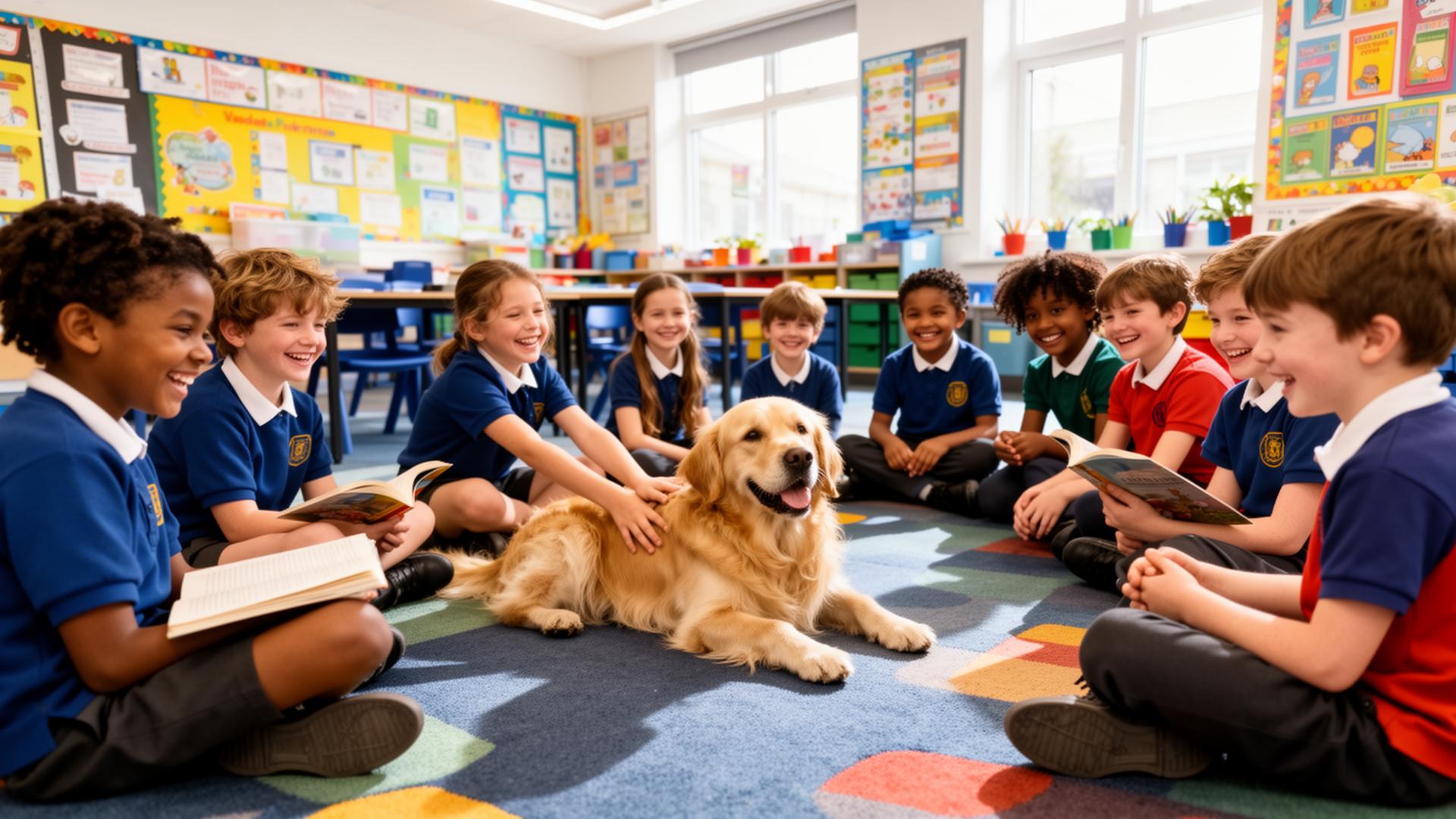
The Benefits of a School Therapy Dog
We're passionate about helping schools experience the incredible impact a well-trained School Therapy Dog can have on pupils, staff and the wider school community. Whether you're welcoming a visiting dog or training your own, these wonderful animals can bring calm, confidence and connection into everyday school life.
Emotional Wellbeing
Helps children feel calmer, more grounded and emotionally supported.
Confidence Building
Encourages self-esteem, resilience and positive interactions.
Reading & Learning Support
Provides a relaxed, non-judgemental listener for reading and learning activities.
Behaviour & Regulation
Supports emotional regulation, positive behaviour and coping strategies.
Social Skills Development
Encourages empathy, communication and teamwork through gentle interactions.
Flexible School Use
Ideal for one-to-one sessions, small-group work, wellbeing interventions, assemblies, class visits or simple meet-and-greet moments.
Training & Visiting Options
Choose between training your own School Therapy Dog or using our Visiting Dog service — both delivered with welfare, ethics and expertise at the heart.
Ongoing Support
Continued guidance, ideas and practical help to ensure your school feels confident and supported throughout the journey.
With our friendly, experienced team by your side, The School Dog Company makes it easy for schools to enjoy the life-changing benefits of School Therapy Dogs in a safe, ethical and meaningful way. Whether you're just beginning your journey or looking to enhance what you already offer, we're here to help every step of the way.
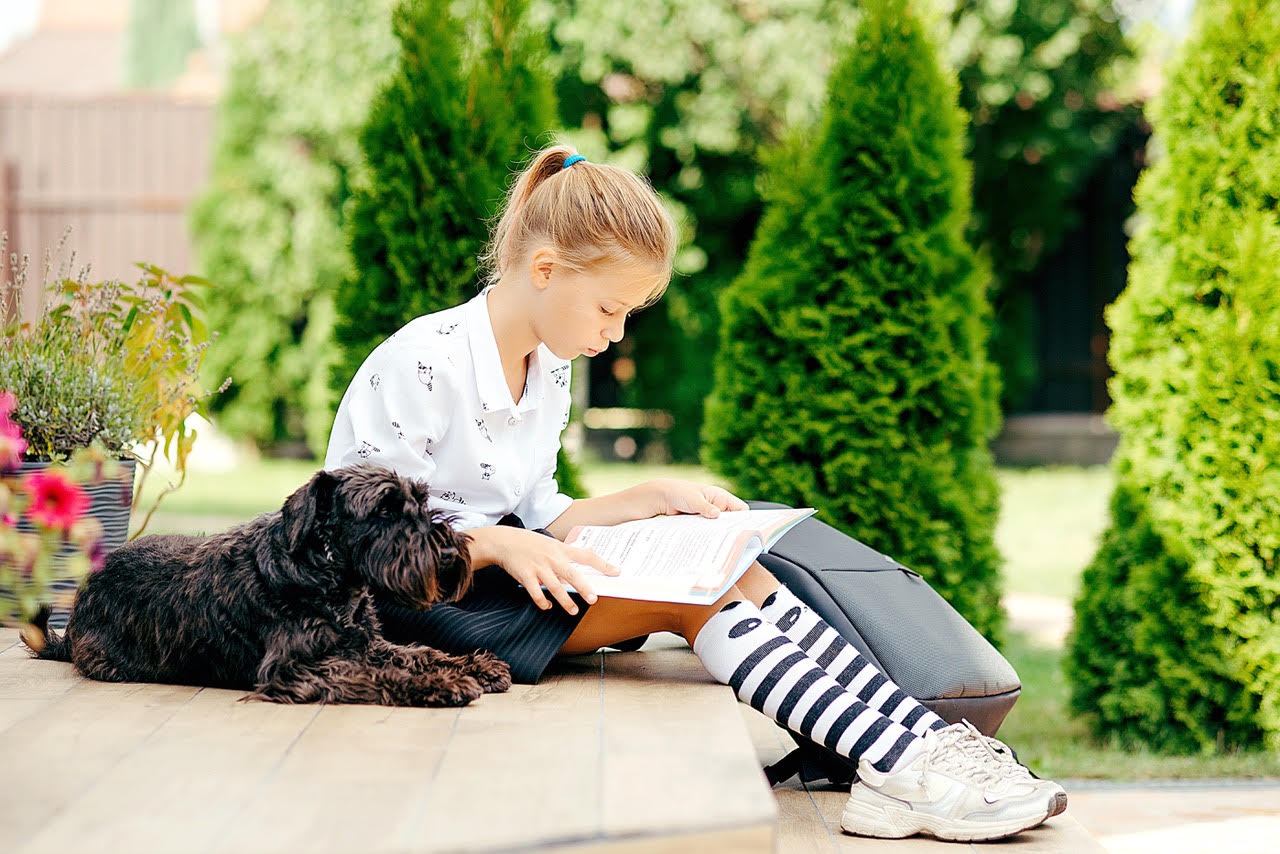
Enhanced Emotional Wellbeing & Mental Health Support
The Challenge: Rising anxiety, stress, and mental health challenges among UK students, with limited resources for intervention.
Reduced Anxiety & Stress
Dogs provide non-judgmental, calming presence that reduces cortisol (stress hormone) and increases oxytocin (bonding hormone).
Improved Emotional Regulation
Interacting with dogs teaches self-regulation, patience, and calmness. Students learn to manage their own emotions.
Comfort During Difficult Times
Dogs offer reliable emotional support during transitions, family challenges, bereavement, or trauma.
Increased Sense of Safety
Therapy dogs create a protective, nurturing atmosphere where students feel secure enough to take risks.
Supporting Trauma Recovery
Dogs facilitate therapeutic connections without requiring verbal communication.
In practice, anxious children often seek out a calm, friendly dog when they're finding things hard — a comforting, non-judgemental presence that helps them feel safe and ready to engage.
Improved School Attendance & Student Engagement
The Challenge: Persistent absence, school avoidance, and disengagement affecting learning outcomes and school funding.
Motivation to Attend
Students look forward to seeing the school dog, creating positive anticipation for school.
Reduced School Refusal
Dogs lower the emotional barrier to entering school for anxious students.
Increased Punctuality
Morning dog greetings encourage timely arrival. Students want to be first to interact.
Higher Activity Participation
Dogs boost engagement in assemblies, reading groups, and outdoor learning.
Improved Transition Success
New starters and Year 7 students settle faster with therapy dog support.
In practice, children who find mornings hard often settle more quickly when there's a calm, friendly dog to greet them — making the start of the day feel safer and more inviting.
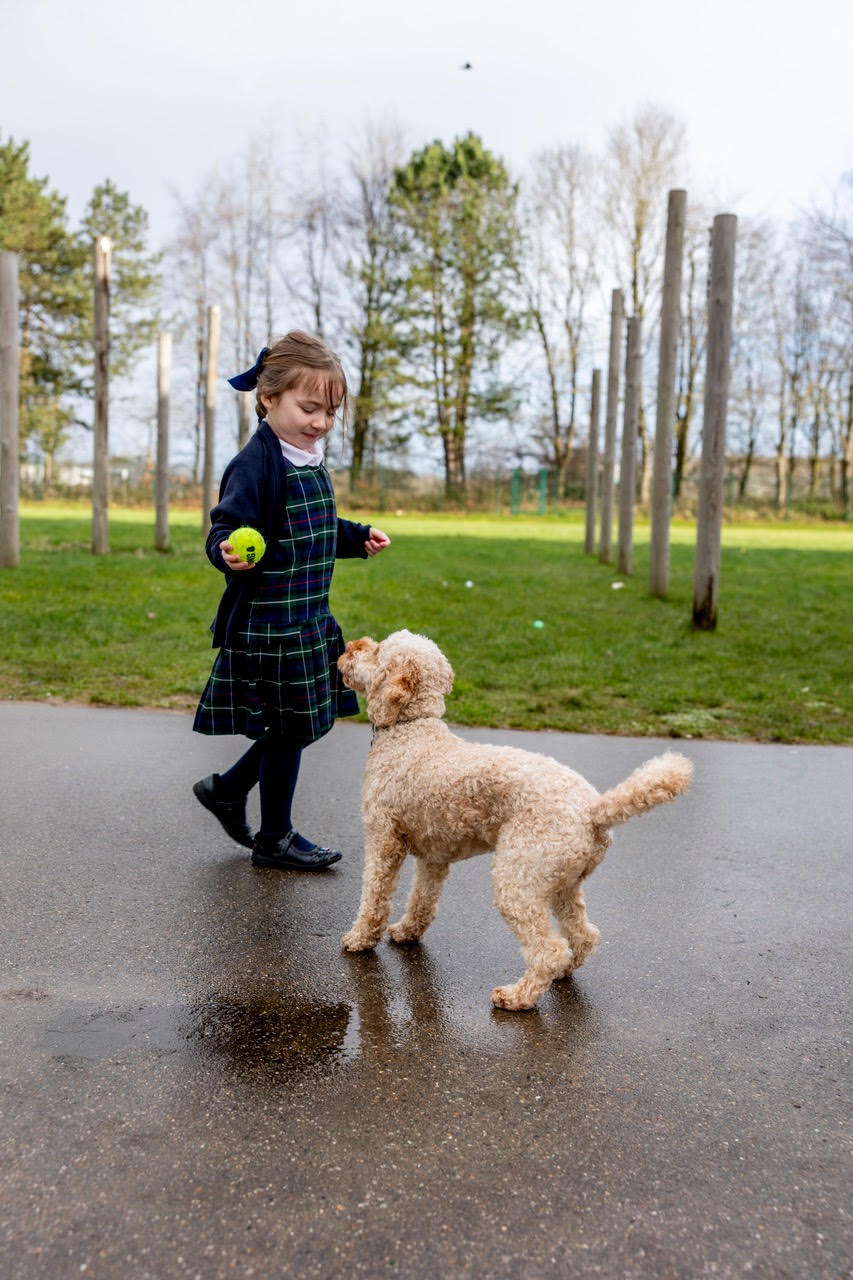
Smoother starts and transitions
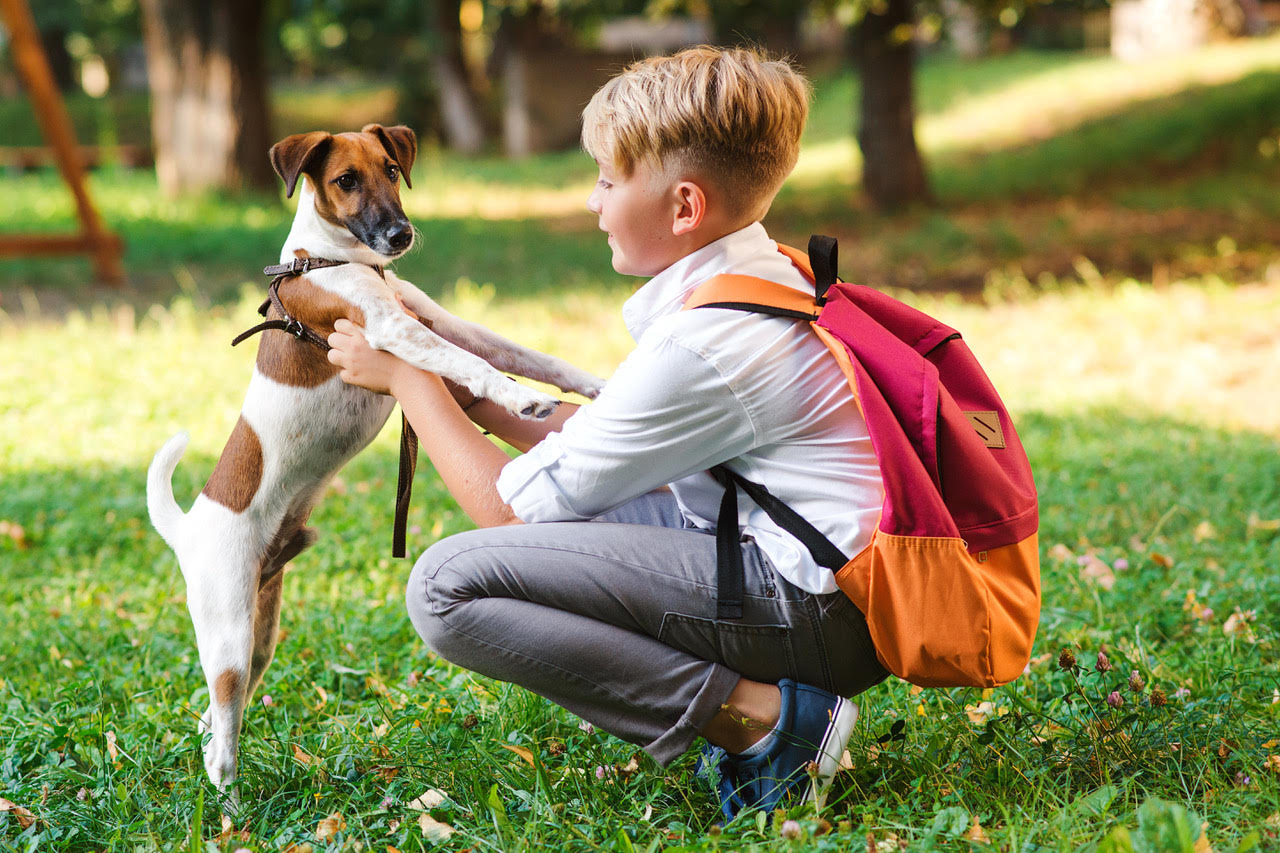
More settled, focused learning
Positive Behaviour & Calm Classroom Atmosphere
The Challenge: Disruptive behavior, difficulty concentrating, and challenging classroom management affecting learning for all.
Calmer Classroom Environment
Dogs naturally create tranquil, focused atmosphere that encourages considerate behavior.
Reduced Behavioral Incidents
Students regulate behavior to earn dog interaction time. Self-control improves.
Improved Focus & Concentration
Calming presence helps students settle and engage with learning.
Better Self-Regulation
Students learn to control impulses and move carefully—skills that transfer everywhere.
Positive Peer Interactions
Shared dog care builds cooperation, turn-taking, empathy, and social skills.
In practice, the calm presence of a well-trained dog helps children settle, regulate their emotions and make better choices — creating a more positive atmosphere for the whole class.
Specialized Support for SEND Students
The Challenge: Limited resources for personalized SEND support, particularly for autism, anxiety, communication difficulties, and sensory needs.
Sensory Regulation for Autism
Predictable, calming sensory input through touch, rhythm, and routine during overwhelm.
Anxiety Management
Non-verbal emotional support for students who struggle to express feelings.
Communication Development
Encourages verbal and non-verbal communication in safe, low-pressure context.
Social Skills Building
Turn-taking, sharing, empathy, and reading social cues learned naturally.
Inclusive Environment
Dogs create common ground where all students can participate equally.
In practice, a gentle, predictable dog can offer non-verbal comfort and a safe focus for children with additional needs — supporting communication, sensory regulation and connection at each child's own pace.
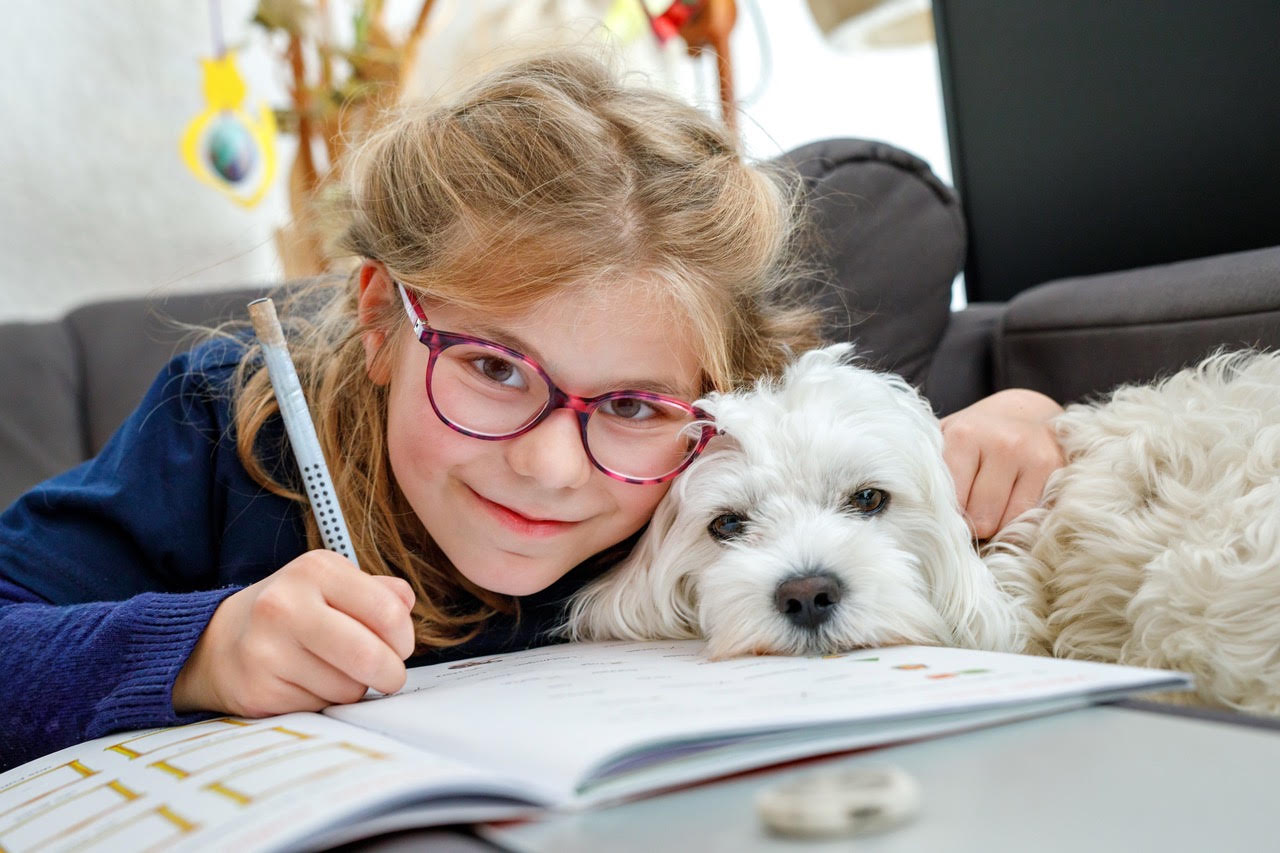
More willing, engaged reading
Enhanced Reading Skills & Academic Confidence
The Challenge: Reluctant readers, reading anxiety, and lack of practice opportunities for struggling readers.
Non-Judgmental Reading Practice
Dogs don't correct mistakes or show frustration. Students read aloud without fear.
Increased Reading Confidence
Regular reading to dogs improves self-belief. Students volunteer to read in class.
Improved Fluency & Expression
More practice equals better reading. Students naturally improve pacing and comprehension.
Positive Learning Association
Reading becomes associated with pleasure and success rather than stress.
Motivation for Reluctant Readers
"Reading to the dog" becomes a coveted activity that students actively request.
In practice, reading aloud to a calm, non-judgemental dog takes the pressure off — reluctant readers relax, practise more and grow in confidence.
Benefits Beyond the Students
The Challenge: Staff wellbeing pressures, school differentiation in competitive environment, building positive community reputation.
Staff Wellbeing Support
Teachers benefit from dog interactions during stressful days. Better retention and morale.
Improved School Culture
Therapy dogs create shared positive experience, building school identity and pride.
Positive Community Reputation
School dogs generate positive attention—social media engagement and word-of-mouth.
Enhanced Parent Engagement
Parents more likely to attend events and volunteer when therapy dog is involved.
Unique School Offering
Differentiate your school and attract families seeking progressive education.
In practice, a much-loved school dog lifts the whole community — supporting staff wellbeing, building a warm school culture and giving families one more reason to feel proud of their school.

The Thinking Behind School Therapy Dogs
Our approach is built on established good practice in animal-assisted interventions and a deep respect for both children's and dogs' wellbeing.
Emotional Wellbeing
A growing body of research into animal-assisted interventions points to calmer, more settled children and reduced anxiety when a well-trained dog is present.
Social & Emotional Skills
Gentle interactions with a therapy dog are widely associated with improved confidence, empathy and social connection.
Reading & Engagement
Reading to a calm, non-judgemental dog is a well-recognised way to build reading confidence and engagement in reluctant readers.
Safe & Ethical Practice
Best-practice guidance is clear that benefits depend on proper training, supervision and a welfare-first approach — which is at the heart of everything we do.
What Schools Tell Us They See
The kinds of difference a well-trained School Therapy Dog can make
Children who feel calmer and happier at school
Better attendance for children who find school hard
Improved emotional regulation and coping
Growing reading confidence and engagement
Calmer, more positive classroom atmosphere
Stronger social skills, empathy and connection
Benefits With Safety in Mind
All benefits are achieved while maintaining rigorous safety standards
Allergy Management
Designated dog-free zones, HEPA filtration, alternative provisions
Phobia Accommodation
Opt-out options, gradual exposure plans, alternative support
Dog Welfare
Regular breaks, stress monitoring, rest periods ensure sustained benefits
Safeguarding
All handlers DBS checked, appropriate supervision, clear boundaries
What Schools Say
“The sessions have had a noticeably positive impact on children's wellbeing, confidence and emotional regulation, with many pupils looking forward to the visits each week. Skye has a calming presence that helps children feel relaxed and supported.”
Laura Hibberd
Deputy Headteacher, Invicta Primary School at Kings Hill
“Lizzie is fantastic to work with and has supported our school dog, Ruby, since she was just 12 weeks old. She is always on hand to offer advice and provides thorough paperwork and risk assessments. We highly value her expertise and ongoing support.”
Sam Terry
Deputy Headteacher, SENCO & DSL
“The programme has brought great joy to our school community, and we have seen first-hand the benefits it can have for children and their overall school experience.”
Laura Hibberd
Deputy Headteacher, Invicta Primary School at Kings Hill
See These Benefits in Your School
Every school's situation is unique. Book a free benefits consultation to discuss how a therapy dog programme could address your specific challenges and goals.